
Every GD game is an arcade game at heart
You know that feeling when a vending machine eats your quarter and you immediately feed it another one? That's Geometry Dash in a nutshell. You crash into a spike at 87%, curse under your breath, and somehow your finger's already clicking retry before your brain can object. The whole franchise is built on this loop. Die, learn, die again, die slightly later, eventually succeed, feel like a god for about four seconds, then start the next level and die immediately.
Old arcade cabinets were designed to drain quarters. RobTop designed Geometry Dash to drain hours. Same energy, different currency. The controls are as simple as it gets. Tap to jump, hold to fly. But the obstacle design squeezes absurd depth out of that one input. You don't need a tutorial. You don't need a manual. You need patience, and probably a backup keyboard for when you break your first one at 95% on Clubstep.
Why the arcade format works so well for GD
Here's what separates arcade games from everything else: zero downtime between attempts. There's no "Loading…" screen. No death animation that plays for ten seconds while you sit there. You explode, you're back at the start, you're already moving. That instantaneous retry is what makes the difficulty bearable. Actually, it makes the difficulty addictive. You never have time to get frustrated enough to quit because you're already mid-attempt again.
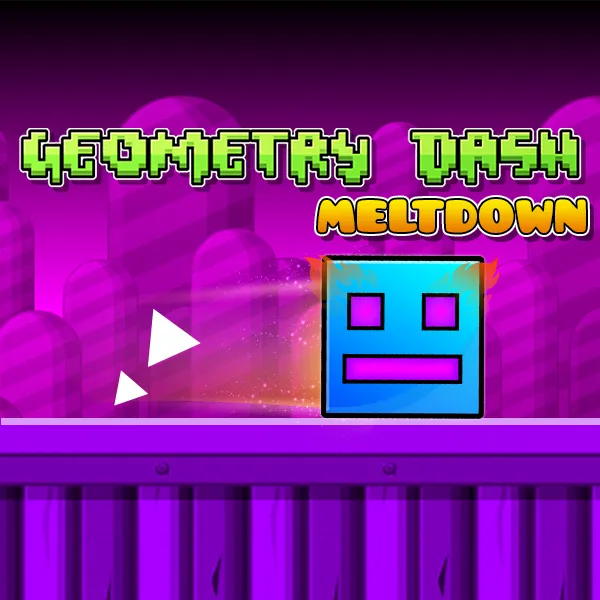
Every single game on this page follows that formula. The full version gives you 21 levels of escalating chaos. Meltdown drops you into three metal-fueled gauntlets with zero warmup. SubZero adds ice-cold aesthetics to the same punishing loop. World wraps it in a map-based progression system but keeps the instant-respawn DNA. Even GD Spam, which is basically a finger endurance test, still operates on the same arcade principle: you failed? Cool, here's another attempt. And another. And another.
The "one more try" trap
There's actual psychology behind why GD's arcade design is so sticky. Short attempt cycles plus visible progress plus instant retry creates a slot machine effect where your brain keeps chasing that dopamine hit of getting one percent further. Same reason people play Pac-Man for hours. Every run feels like it could be The One. RobTop understood that better than most AAA studios ever will.
Pick any game above. Doesn't matter which one. They'll all do the same thing to you. Steal twenty minutes that turn into two hours, leave your clicking finger slightly sore, and somehow make you come back tomorrow.